
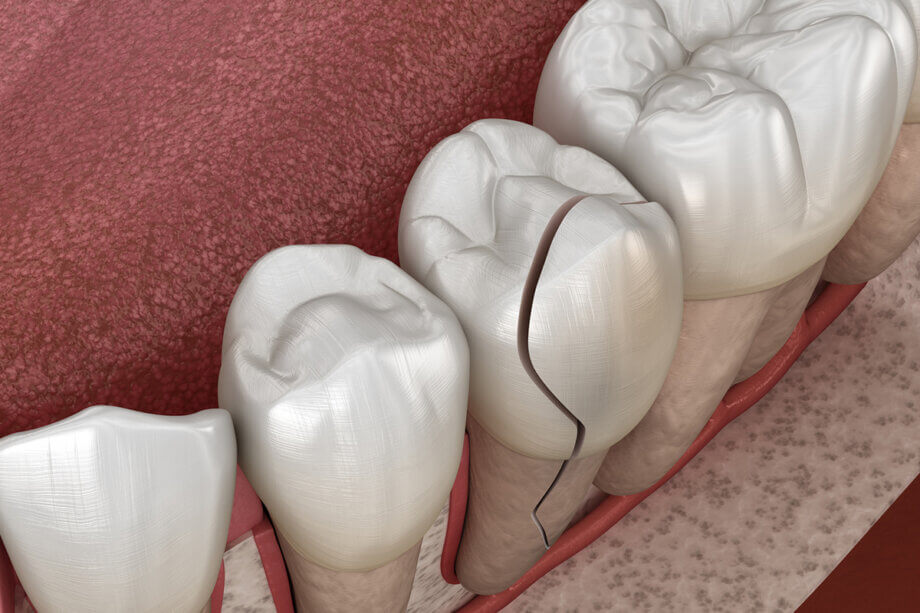
We regularly see patients with a range of dental concerns, and cracked teeth remain among the most common. Even when you care for your teeth diligently and maintain strong enamel, accidental trauma or teeth grinding can still cause a cracked tooth. Cracks may not be visible to the naked eye, making diagnosis challenging without our professional evaluation. Your body often signals that something feels wrong. By understanding these signs, you can seek care early and protect your oral health.
At JM Dental of Westbury, we believe in empowering our patients with clear, helpful information. We want you to feel confident recognizing the early indicators of a cracked tooth, so you know when to reach out.
The Challenge of a Hidden Fracture
Cracked teeth often challenge even the most experienced clinicians. A tiny fissure may not appear on an X-ray, and you may not catch it in the mirror. Symptoms can fade for days or weeks before returning. You may think your problem resolved on its own and delay seeking care.
Pain or sensitivity from a cracked tooth arises when the inner tooth layers become exposed. Hard outer enamel protects the dentin and pulp, but when a crack forms, it creates a pathway for temperature, pressure, and bacteria to reach these vulnerable areas. Discomfort and the risk of infection increase rapidly.
5 Key Symptoms of a Cracked Tooth
If you notice any of these warning signs, we encourage you to schedule an exam with us as soon as possible. When you take action early, you give us a better chance to save your tooth.
1. Pain That Comes and Goes
Intermittent pain is often the clearest indicator of a cracked tooth. You might experience a sharp twinge one day, only to have it disappear the next. Cracks can shift slightly, which temporarily relieves nerve pressure. The pain then reappears, often unpredictably. This irregular pattern usually indicates a fracture.
2. Discomfort When Biting or Chewing
If you feel sudden, sharp pain when biting down, a cracked tooth may be the cause. Usually, you experience no pain until you apply pressure, such as when you eat or chew. Chewing can cause the fractured segments to move, disturbing the sensitive inner pulp. You may notice pain only when you eat certain foods or bite on a particular side. Locating the affected area helps us quickly identify the problem tooth during your visit.
3. Heightened Sensitivity to Temperatures and Sweets
If you notice new or sudden sensitivity to hot drinks, cold foods, or something sweet, you may have a cracked tooth. Cracks provide a direct channel for temperature and sugars to reach your nerves, causing quick, sharp discomfort. Not every sensitivity indicates a crack, but if you feel it in only one tooth, see us for a professional evaluation.
4. Swelling or Tenderness in the Gums
You should not ignore tenderness or swelling that develops around a specific tooth. Cracks can allow bacteria to invade the pulp chamber, triggering an infection. Your gums may react by swelling, reddening, or becoming tender. Sometimes, you might notice a small bump or abscess on your gum. These symptoms require quick attention. Without prompt care, infections can worsen and spread.
5. Vague, Hard-to-Place Pain
Sometimes, a cracked tooth causes a dull, generalized ache rather than a sharp, localized pain. You may feel persistent throbbing on one side of your mouth or face, but struggle to find the exact source. Nerves in your mouth connect in a complex way so that pain may radiate outward. If unexplained discomfort develops, schedule an appointment for a thorough assessment.
How We Treat a Cracked Tooth
Our top priority is to save your natural tooth whenever we can. The best treatment for a cracked tooth always depends on the crack’s location and depth.
Saving the Tooth with a Crown
When the crack only affects the visible crown above your gumline, we can usually restore it. We first remove any damaged or infected pulp from inside your tooth using a root canal procedure. This process relieves pain and eliminates infection. We then fill and seal the tooth before placing a custom dental crown. The crown stabilizes your tooth, shields it from further damage, and restores full function.
When We Must Remove a Tooth
If the crack runs below your gumline and into the tooth’s root, saving the tooth often becomes impossible. In those cases, we recommend extracting the affected tooth to prevent infection and pain from progressing. We offer replacement options, including dental implants and bridges, to restore chewing ability and aesthetics after extraction.
Frequently Asked Questions About Cracked Teeth
Can a cracked tooth heal on its own?
A cracked tooth cannot repair itself. Unlike your bones, teeth do not regenerate tissue or heal fractures. Ignoring a crack allows it to worsen. Prompt treatment prevents pain, infection, and possible tooth loss.
What should I do if I think I cracked my tooth?
You should contact our office right away if you suspect a crack. Until your appointment, rinse your mouth with warm salt water to keep it clean. Avoid chewing on the affected side and avoid very hot, cold, or hard foods to reduce irritation.
At JM Dental of Westbury, we proudly provide comprehensive dental care for Westbury, NY, and our surrounding communities. Our team combines advanced dental expertise with professionalism and kindness to ensure each patient receives quality treatment for a healthy, confident smile. If you face symptoms of a cracked tooth or have any dental concerns, call us today to schedule a consultation.