
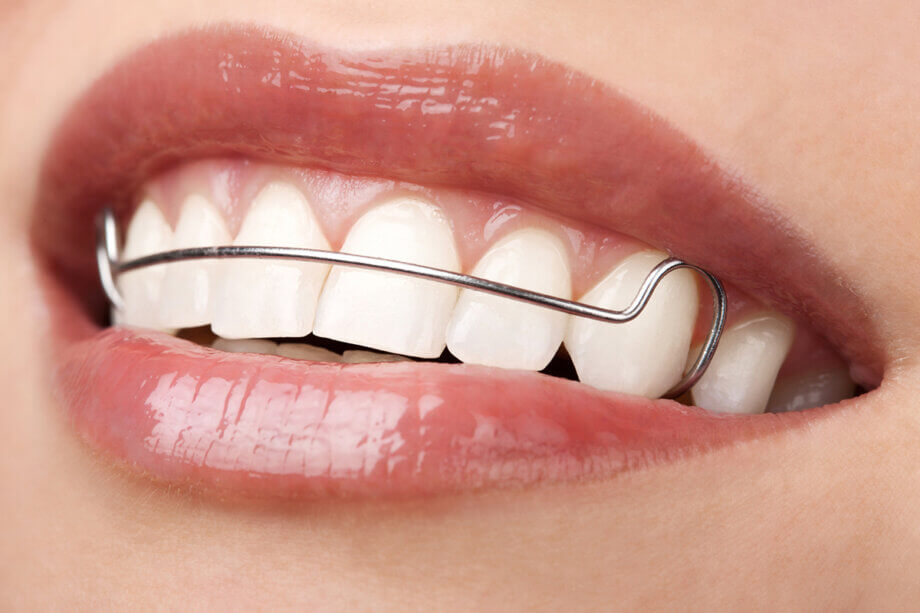
We know the feeling well. You just completed your final round of clear aligner trays and walked out of your dentist's office with straight, smooth teeth. You no longer need to swap aligners, track wear times, or manage attachments. Years of commitment, careful oral hygiene, and routine dental check-ins paid off, and you finally get to enjoy your beautifully aligned smile, free from any appliance—but your journey isn't quite finished yet. Retainers play a crucial role after aligner treatment, ensuring the changes you achieved over months or years stay stable for the long haul.
Your dentist hands you a plastic case. Inside, you find a retainer.
Suddenly, that sense of freedom dims a bit. You realize your journey with dental appliances does not end when you finish your last aligner tray. You move past daily tray changes, yet a new phase begins: wearing your retainer. Many patients ask if they can just stop here. They wonder whether their smile will stay perfectly straight after aligner therapy without using a retainer.
We completely understand why you want to set that case aside after months—or even years—of diligent aligner wear. However, keep this vital step in your routine. Your retainer helps you maintain the progress you made during aligner-based orthodontic treatment. Skipping it means you risk losing your hard-earned results. Let’s walk through what happens to your teeth after aligner therapy and how this next phase keeps your smile secure for the future.
The Science of Tooth Movement After Aligner-Based Orthodontics
We explain why retainers matter after aligner therapy by exploring how clear aligners straighten teeth. Aligner-based orthodontics gradually moves teeth using a series of custom-made, removable plastic trays rather than fixed braces. Each aligner tray nudges your teeth into slightly improved positions using gentle, targeted pressure. Over time, you reshape the supporting bone and encourage teeth to shift along a carefully planned path.
Every time we swap to a new set of aligners, our teeth move closer to ideal alignment. Our bones respond by breaking down and rebuilding to fit these small changes. Even after finishing our last tray, the bone tissue and ligaments that support our teeth remain flexible, retaining a “memory” of where things started. Our teeth naturally try to shift back to their original positions.
Stabilizing your teeth takes time. When you finish aligner treatment, the bone around your teeth's roots has not fully hardened. The periodontal ligaments, which attach your teeth to the bone, maintain an "elastic memory." They remember your teeth's original crooked positions. Without the protection of your retainer, these ligaments pull your teeth back toward their starting spots.
We call this phenomenon “relapse.” After aligner-based orthodontics, relapse occurs when your teeth move back toward their original positions as the bone and ligaments attempt to revert to their former state. Most adults return for additional aligner treatment later in life because of relapse.
Why Your Teeth Need to "Settle" After Aligner Therapy
Imagine your teeth as posts that we gradually shift with aligner trays. As each new set gently moves your teeth, the bone surrounding them softens and reshapes to accommodate their new positions. Once you complete your final aligner, that bone still needs time to stabilize and harden around your teeth's updated alignment.
During the important adjustment period after clear aligner treatment, your teeth remain especially vulnerable to movement. Every day forces, such as talking, chewing, swallowing, and even pressure from your tongue or cheek,s nudge them out of alignment. Your retainer serves as a powerful stabilizer after aligner-based orthodontics, keeping your teeth in their exact new positions while your bone strengthens and your ligaments adapt. When you wear your retainer as instructed, you ensure your smile stays beautifully aligned long after you finish aligner therapy.
Do You Need a Retainer After Clear Aligner Orthodontics?
You must wear your retainer to keep your teeth straight after aligner-based orthodontics.
We treat the retention phase after aligner therapy as equally vital as the time you wore your trays each day. If you stop using your retainer as directed after clear aligners, your teeth almost always start to shift. You might not notice these minute movements right away, but over several months, gaps can reappear, and stubborn teeth often drift back toward old positions.
Your dentist designs a wear schedule that fits your needs after you complete your last aligner. You start by wearing your retainer full-time for several months, then shift to nighttime-only use. When you follow this schedule, you keep your teeth perfectly aligned after aligner-based orthodontic treatment.
Factors That Cause Teeth to Shift
Even without braces, your teeth move over time. We observe physiological changes in your mouth as you age. Several factors drive this continuous movement.
The Natural Aging Process
As we age, our facial bones gradually change shape. We also experience "mesial drift," meaning our teeth slowly migrate toward the front of the mouth. Many adults develop crowding in their lower front teeth, whether or not they had orthodontic treatment. Genetics also plays an important role. If your parents struggled with significant crowding later in life, you likely face a higher risk of the same issue.
Gum Health and Bone Support
Your gums and jawbone provide the foundation for your smile. When plaque and tartar build up, you risk gum disease (periodontitis), which weakens that foundation. As gum disease advances, it destroys the supporting bone. Your teeth lose their anchor and start to drift, splay, or even become loose. You can maintain the structural integrity of your smile with excellent oral hygiene.
Practical Steps to Minimize Shifting
Wearing a retainer provides the strongest protection against relapse, but other habits also help create a stable smile. We recommend practicing excellent oral hygiene daily to keep your teeth in their proper positions.
Master Your Daily Hygiene Routine
Brush and floss daily. We strongly emphasize this point. Healthy gums grip teeth more securely than inflamed gums. When you floss each day, you remove bacteria that destroy bone support. Strong bone support reduces unwanted movement.
Prioritize Routine Dental Visits
We notice problems early, often before you see them. During your regular checkups at JM Dental of Westbury, we monitor your teeth for any changes in position. We look for early signs of crowding or spacing. If we find movement, we act quickly. Sometimes, you may just need a small retainer adjustment. In other cases, a new bonded retainer behind your teeth may work better for your lifestyle.
Address Grinding and Clenching
Many people grind their teeth at night without realizing it. We refer to this as bruxism. Grinding exerts intense force and quickly pushes teeth out of alignment. If you wake up with a sore jaw or headaches, talk to us about a nightguard. A custom nightguard shields your enamel from wear and keeps your teeth in place while you sleep, serving a dual purpose.
Watch Your Posture and Habits
External forces can reshape your dental arch, and how you sleep matters. If you sleep on your stomach with your face pressed hard into a pillow, you put significant pressure on your jaw and teeth for hours every night. Over the years, you can push your teeth inward with this constant pressure.
Notice where you rest your hands during the day as well. When you sit at a desk and press your chin into your palm, you apply similar pressure to your teeth. We encourage you to stay mindful of these unconscious habits. Keep objects like pens or glasses out of your mouth, since chewing on them can put excessive force on individual teeth.
Protecting Your Investment
You invested significant time, money, and effort to achieve a straight smile. Your retainer protects that investment. We recognize that putting in your retainer each night can feel inconvenient. However, compared to the work you put into aligner therapy, nightly retention takes minimal effort.
Picture your retainer as pajamas for your teeth during the night. Your retainer keeps everything snug, secure, and exactly in place while you sleep. When you commit to this simple routine, you guarantee that your smile will look just as beautiful in 20 years as it does now.
Frequently Asked Questions About Retainers
How long do retainers last?
Retainers eventually wear out. A standard removable clear retainer usually lasts from 6 months to a few years, depending on how often you grind your teeth and how well you maintain it. We recommend that you bring your removable retainer to every dental checkup so we can look for cracks or signs of wear.
Can a retainer straighten teeth that already shifted back?
A regular retainer cannot move teeth back if they shifted significantly. Retainers work to hold teeth in place, not move them. If you only have very minor relapse (tiny movements), a tight retainer might guide them back, but that could break the retainer or cause discomfort. If your teeth moved noticeably, we will discuss a new treatment plan, such as a short course of clear aligners, to reposition your teeth before making a new retainer.
We are JM Dental of Westbury, a dedicated team of dental professionals proudly serving families in Westbury, NY, and throughout Long Island. We believe everyone deserves a smile to show off with confidence. We handle everything from routine cleanings to complex restorative care, always using the latest technology and a neighborly touch. If you have questions about dental retention or are looking for a new dental home, schedule a visit with us today.